Creating a home office that feels cozy yet boosts your productivity can seem like a challenging task. Whether you’re working remotely full-time, freelancing, or just need a quiet corner for occasional tasks, a well-designed workspace can make all the difference. Here are practical tips to help you establish a home office that’s both inviting and efficient.
1. Choose the Right Location
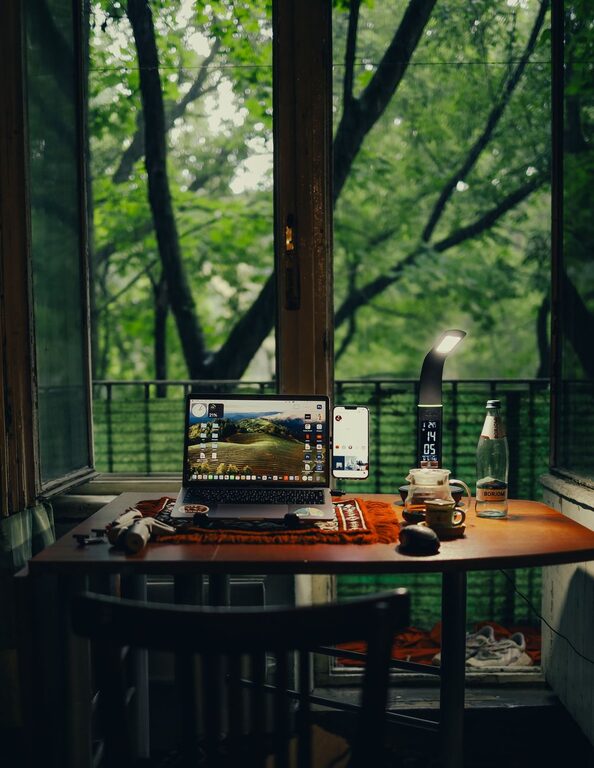
Selecting the right spot in your home is the first step. Ideally, pick a quiet area away from high-traffic zones. Natural light is a major bonus, so consider locations near windows. If space is limited, even a nook in your living room or bedroom can work with thoughtful organization.
2. Invest in Comfortable Furniture
Comfort is key for productivity. Your chair should support good posture, so investing in an ergonomic office chair is worthwhile. A desk at the right height will help prevent strain—adjustable desks are a great option if you want to switch between sitting and standing.
Essential Furniture Tips:
– Choose a chair with lumbar support.
– Ensure your feet rest flat on the floor or on a footrest.
– Keep your computer monitor at eye level.
3. Organize Your Space
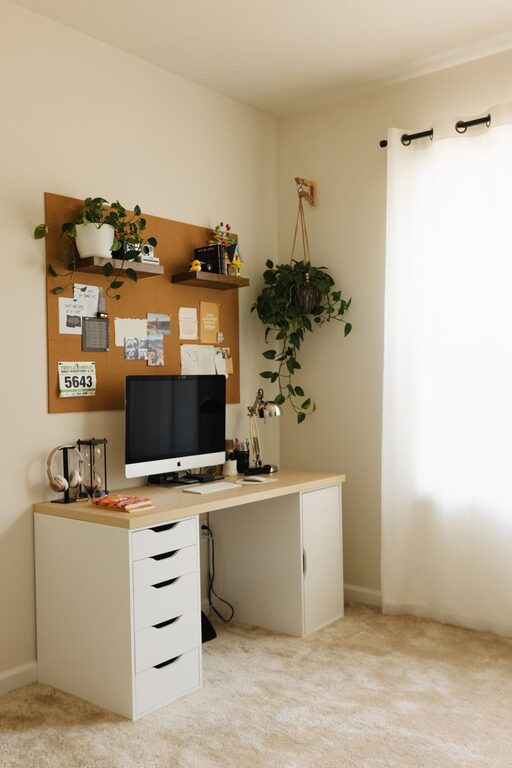
Clutter can distract you, making it harder to focus. Use shelves, filing cabinets, or baskets to keep supplies organized. Keep only essentials on your desk to maintain a clean surface. Consider cable management solutions to avoid tangles.
Organization Ideas:
– Label storage boxes for easy access.
– Use drawer dividers for small office supplies.
– Keep a bulletin board or whiteboard for notes.
4. Personalize Your Workspace
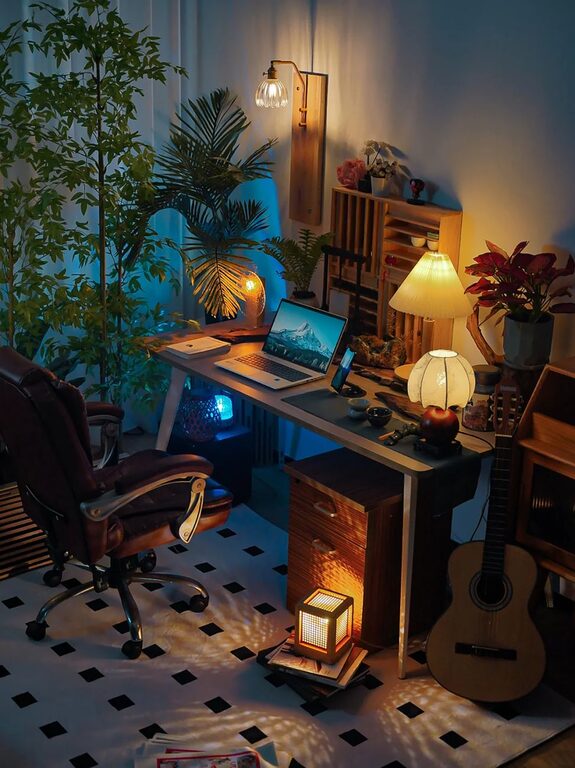
Adding personal touches makes your workspace feel welcoming. Choose decor that inspires you, such as photos, artwork, or plants. Plants not only brighten the space but can also improve air quality and reduce stress.
Simple Personalization Tips:
– Add a colorful rug or throw blanket.
– Hang artwork or motivational quotes.
– Include a small plant or fresh flowers.
5. Optimize Lighting
Good lighting reduces eye strain and keeps you alert. Aim for a mix of natural and artificial light. Position your desk near a window if possible, but avoid glare on your screen. Use adjustable desk lamps with warm light for late hours.
6. Maintain Good Air Quality and Temperature
A comfortable temperature and fresh air contribute to better concentration. If your workspace feels stuffy, try a small fan or air purifier. Make sure your office is well-ventilated and keep it at a comfortable temperature.
7. Set Boundaries for Work and Relaxation
To stay productive, clearly define when and where you work. If your home office is part of another room, consider using room dividers or curtains to separate work from leisure areas. Establish a routine that signals the start and end of your workday.
8. Incorporate Tech That Enhances Productivity
Use technology that supports your workflow without adding distractions. A quality headset helps with calls, while dual monitors can increase efficiency. Invest in a reliable internet connection to avoid interruptions.
9. Take Breaks and Move Around
Even in a cozy area, it’s important to take breaks to stretch and refresh your mind. Keep your office layout flexible so you can step away easily. Consider a small area for quick stretches or mindfulness exercises.
10. Keep It Simple and Adaptable
Remember, your home office should evolve with your needs. Keep your setup simple enough to adapt to changes. Experiment with different arrangements until you find what works best for you.
—
By focusing on comfort, organization, and a few personal touches, you can create a home office space that feels like a retreat and helps you stay productive. Small changes can make a big impact, so start with one or two tips and build from there. Enjoy creating a workspace that supports both your work goals and well-being!