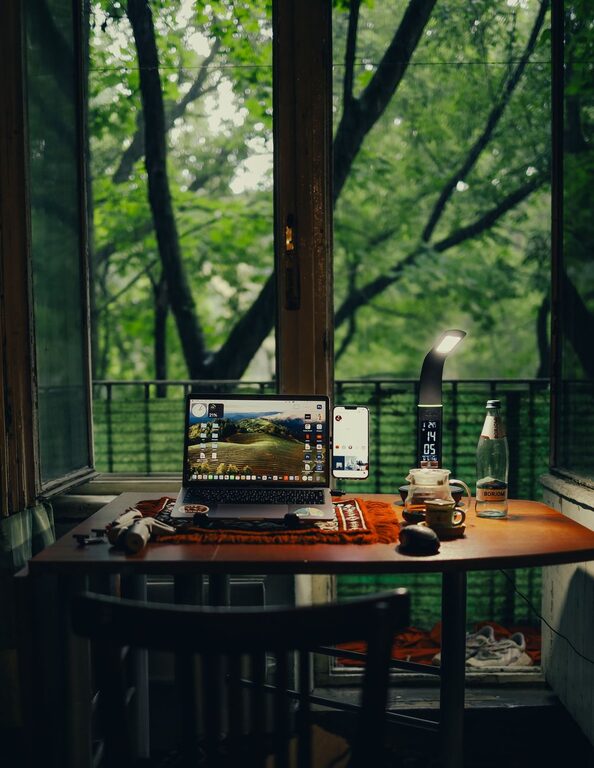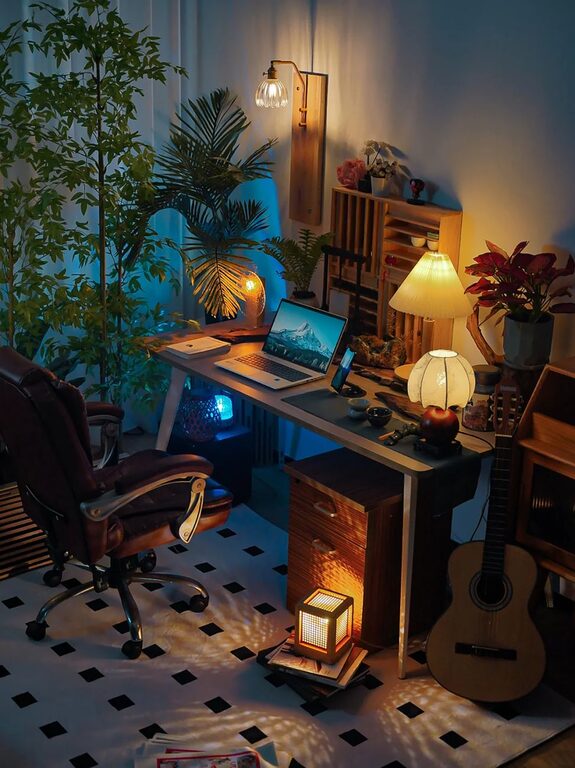

Creating a relaxing home office environment is essential for maintaining focus and reducing stress while working from home. With the increasing number of people working remotely, having a comfortable and inviting workspace can make a big difference in productivity and overall well-being. In this article, we’ll share practical tips on how to transform your home office into a calm, organized, and inspiring space.
Choose the Right Location
The first step to creating a relaxing home office is selecting the best spot in your home. Ideally, pick a quiet room or corner that receives natural light. Natural light not only brightens your space but also improves mood and energy levels. If natural light is limited, invest in good-quality artificial lighting that mimics daylight.
Make sure your workspace is away from high-traffic areas to reduce distractions. If a separate room isn’t available, use a room divider or curtains to separate your office space from the rest of your home.
Invest in Comfortable Furniture
Comfort is key to a relaxing office environment. Choose an ergonomic chair that provides ample support for your back and encourages good posture. Sitting comfortably can prevent aches and fatigue during long work sessions.
Select a desk at the right height to avoid strain on your wrists and shoulders. Standing desks or adjustable desks are excellent options if you want to alternate between sitting and standing during the day. Adding a soft area rug underneath your desk can also add warmth and comfort to your space.
Keep Your Space Organized
Clutter can increase stress and reduce productivity. Keep your home office tidy by using storage solutions such as shelves, filing cabinets, and desk organizers. Clear your desk of unnecessary items and only keep what you use daily within reach.
Develop a daily or weekly routine to sort paperwork, empty your trash, and tidy up your desk. Using labeled bins or boxes can help you quickly find supplies when needed and keep your workspace neat.
Add Calming Colors and Décor
Color influences mood and productivity. For a relaxing office, choose soothing colors such as soft blues, greens, or neutrals like beige and grey. These tones can create a peaceful atmosphere conducive to concentration.
Incorporate personal touches with artwork, inspirational quotes, or photographs that make you feel calm and motivated. Avoid overly busy patterns or harsh colors that can be distracting.
Use Plants to Enhance Air Quality and Ambiance
Adding plants to your home office has several benefits. They improve air quality by filtering toxins and increase humidity, which can make the room more comfortable. Plants also have a calming effect and can reduce stress levels.
Choose low-maintenance plants such as succulents, snake plants, or pothos, especially if you don’t have a green thumb. Place them near your desk or on shelves where they get some indirect sunlight.
Minimize Noise and Distractions
Noise can disrupt concentration and increase stress. Use noise-canceling headphones or earplugs if you live in a noisy environment. Alternatively, playing soft background music or white noise can help drown out distractions and create a focused atmosphere.
Consider adding rugs, heavy curtains, or acoustic panels to absorb sound and make the space quieter. If possible, set boundaries with family members or roommates about your working hours to reduce interruptions.
Maintain Good Air Quality and Temperature
A comfortable temperature is vital for a relaxing home office. Ensure the room has proper ventilation, and open windows regularly to let in fresh air. If temperature control is difficult, use fans, heaters, or portable air purifiers to improve comfort.
Avoid working near sources of chemical fumes or strong scents. Fresh air and optimal temperature can help you stay alert and feel more comfortable during work.
Create a Dedicated Tech Setup
Organizing your technology efficiently can reduce frustration and improve workflow. Invest in quality equipment such as a good monitor, keyboard, mouse, and reliable internet connection.
Use cable organizers to prevent cords from tangling and cluttering your desk. Having everything setup and within easy reach reduces stress and allows you to focus on tasks.
Take Regular Breaks and Personalize Your Routine
Even the most relaxing office won’t help if you don’t take breaks. Follow the Pomodoro technique or other time management methods to step away from your desk regularly.
Create a routine that includes stretching, short walks, or mindfulness exercises. Personalize your workspace to include items that remind you to take care of yourself, like a water bottle, stress ball, or a small diffuser with your favorite scent.
Final Thoughts
Designing a relaxing home office environment is about combining comfort, organization, and personal touches to create a space that supports your work and well-being. By paying attention to lighting, furniture, colors, and minimizing distractions, you can turn your home office into a place where you can feel calm, focused, and productive every day.
Start with small changes and see how they impact your mood and efficiency. Remember, your workspace should feel inviting and help you enjoy the process of working from home.