
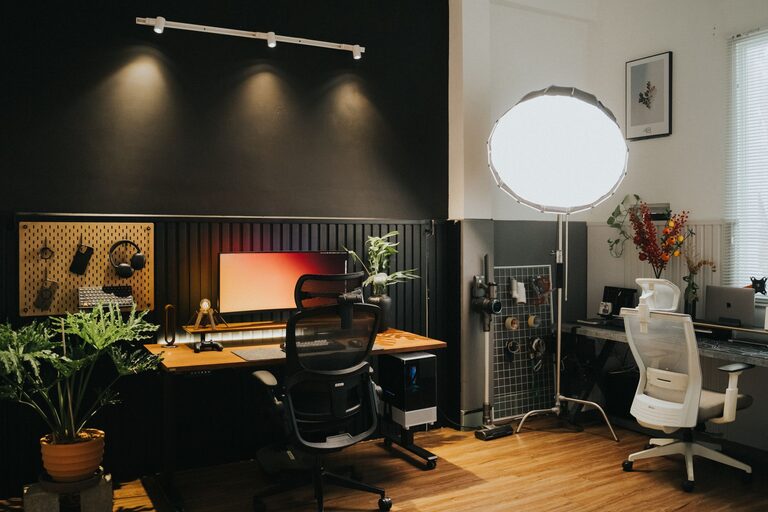
Creating a cozy and functional home workspace is essential for anyone working or studying from home. A well-designed area can boost productivity, reduce stress, and make your workday more enjoyable. Whether you have a dedicated room or a corner in your living space, you can transform it into a welcoming and efficient workspace. Here are practical tips to help you achieve that balance.
Choose the Right Location
Selecting the best spot for your workspace sets the foundation for comfort and focus.
– Natural Light Matters: Position your desk near a window if possible. Natural light improves mood and reduces eye strain.
– Minimize Distractions: Pick a quiet area away from high-traffic zones. If that’s not possible, consider noise-canceling headphones or a privacy screen.
– Consider Your Needs: Think about what you use most while working—computer, paperwork, creative tools—and choose a space that supports these activities.
Invest in Comfortable Furniture
Comfortable furniture makes a big difference in your ability to stay focused for long periods.
– Ergonomic Chair: Choose a chair with good lumbar support and adjustable height. Your feet should rest flat on the floor.
– Adequate Desk: Pick a desk with enough surface area for your essentials without feeling cramped.
– Consider Standing Options: A sit-stand desk or a desk converter can promote movement and reduce discomfort.
Organize Efficiently
An organized workspace helps create a calm environment and saves time searching for things.
– Storage Solutions: Use shelves, drawers, or filing cabinets to keep documents and supplies neat.
– Declutter Regularly: Make it a habit to clear your desk at the end of each day.
– Cable Management: Use clips or sleeves to organize cords and keep them out of sight.
Personalize Your Space
Adding personal touches makes your workspace inviting and boosts motivation.
– Plants: A few small plants can purify the air and add color.
– Artwork or Photos: Surround yourself with images that inspire you.
– Favorite Colors: Incorporate colors you enjoy through accessories like cushions, mousepads, or wall art to set a pleasant mood.
Optimize Lighting
Good lighting reduces eye strain and helps maintain energy levels.
– Layered Lighting: Combine ambient lighting with task lighting like a desk lamp.
– Avoid Glare: Position screens to avoid reflections from windows or overhead lights.
– Warm Light: Choose warm or neutral light bulbs to create a cozy atmosphere.
Incorporate Technology Thoughtfully
Technology tools can support your workflow but shouldn’t clutter your space.
– Essential Devices Only: Keep only the devices you use daily on your desk.
– Wireless Accessories: Wireless keyboards and mice reduce cable clutter.
– Backup and Charging Station: Have a designated spot for charging devices and storing backups.
Maintain a Healthy Environment
Your workspace should support both mental and physical health.
– Air Quality: Keep windows open when possible or use an air purifier.
– Move Regularly: Take short breaks to stretch or walk to avoid staying seated too long.
– Stay Hydrated: Keep a water bottle within reach.
Create Boundaries
Set clear boundaries between work and home life to improve focus and relaxation.
– Defined Workspace: Even if you work in a shared room, designate a specific work zone you can “leave” at the end of the day.
– Routine: Develop a start and finish time for work to separate office hours from personal time.
– Visual Cues: Use a room divider or curtains if needed to block off your work area.
Make the Space Adaptable
Flexibility lets your workspace evolve with your needs.
– Modular Furniture: Items you can easily move or rearrange provide adaptability.
– Multi-use Surfaces: Use tables that can serve as both work and crafting spots.
– Adjust Lighting and Decor Seasonally: Change accessories to refresh your environment and keep it inspiring.
Conclusion
Creating a cozy and functional home workspace doesn’t require a large budget or a big room. By choosing the right location, investing in comfortable furniture, staying organized, and personalizing the space, you can craft an environment that supports your productivity and well-being. Remember, small changes can have a big impact. Start with one or two tips and adjust as you discover what works best for you. Your ideal workspace is one that feels inviting, keeps distractions at bay, and helps you do your best work every day.